That's Not My Neighbor
Games You May Like
🚪 About That's Not My Neighbor
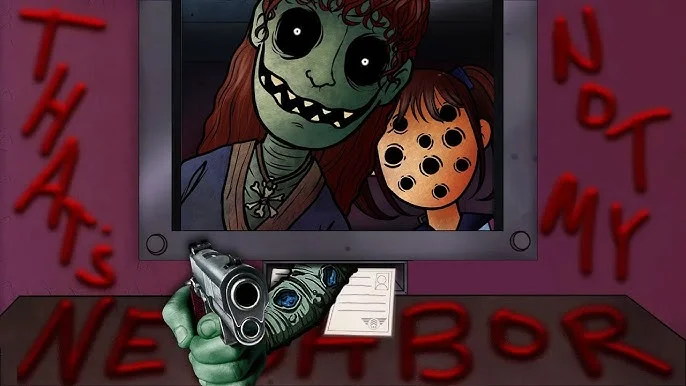
That's Not My Neighbor is a desk-horror inspection game set during a doppelganger crisis. You work as a building doorman for the D.D.D. (Doppelganger Detection Department), and each shift forces you to check who is real and who is not. At first the job looks procedural, but tension rises quickly when small document errors and facial anomalies become life-or-death signals.
The game's horror comes from doubt, not chase scenes. Every visitor asks to enter, every decision is irreversible, and a single mistake can let a predator into the apartment block. It combines logic, observation, and pressure in a way that feels fresh even for veteran horror players.
📄 Core Inspection Workflow
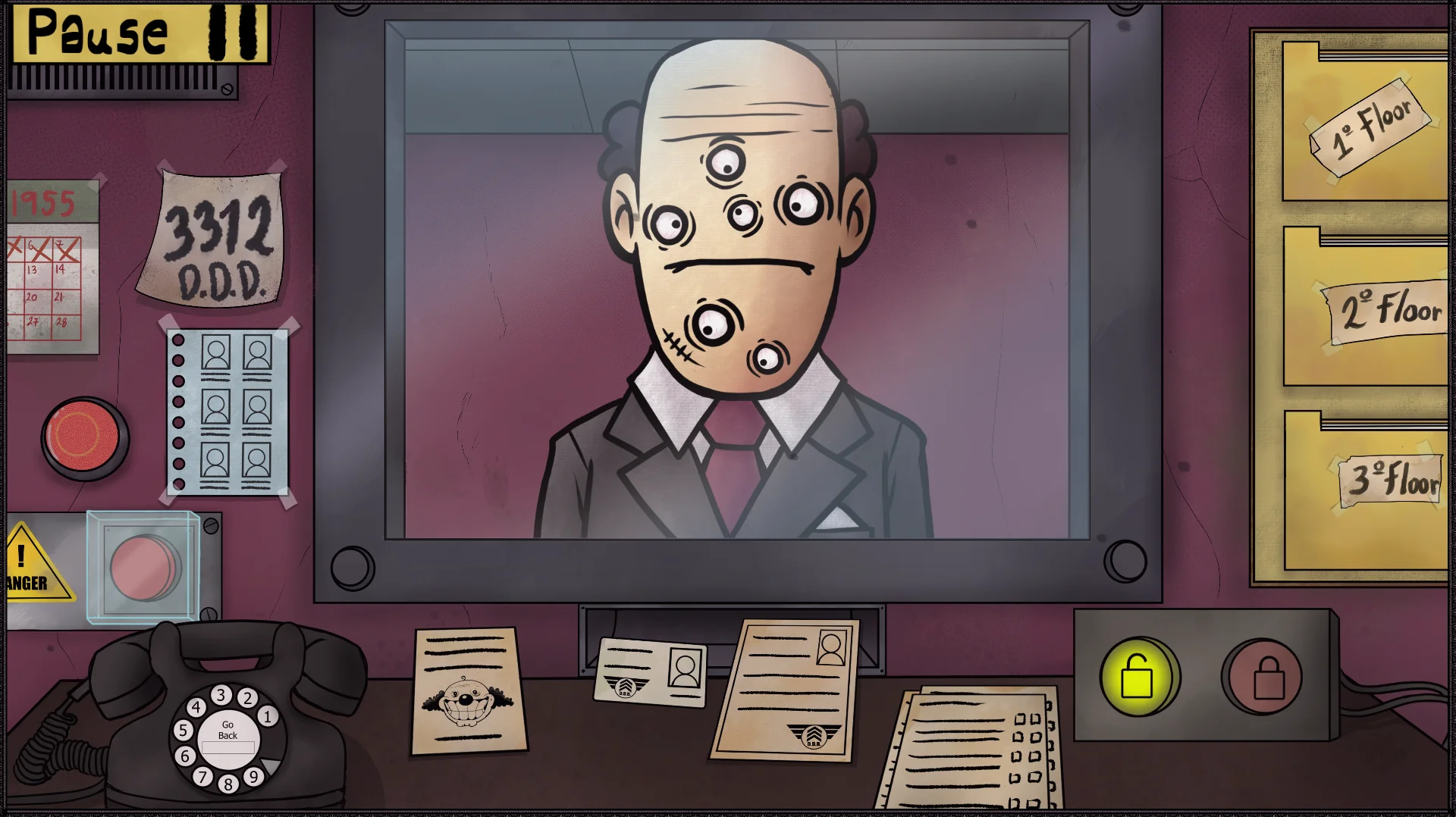
- 🪪 Check identity documents: compare names, apartment numbers, and official ID details.
- 📞 Verify against records: use in-game tools and call systems when information feels inconsistent.
- 👁️ Scan visual cues: look for unnatural expressions, mismatched features, and behavioral oddities.
- ⚖️ Make the call: allow entry, deny access, or alert D.D.D. depending on risk confidence.
🧠 Why the Decision Pressure Works
- ⏱️ Time stress: long hesitation creates backlog and increases mental errors.
- 🎭 Impostor adaptation: some doppelgangers imitate documents well but fail on subtle consistency checks.
- 📉 Error snowball: one wrong admission reduces trust in your future decisions.
- 🔍 Signal ambiguity: many cases are deliberately borderline, forcing probabilistic judgment.
This balance of routine and uncertainty is the game's strongest design choice. The more you play, the faster you process checks, but the game keeps challenging pattern overconfidence with increasingly deceptive visitors.
🎯 Practical Tips for Cleaner Shifts
- 📌 Use a fixed check order: document, face, details, call, decision.
- 🧾 Prioritize hard mismatches: date/name/apartment conflicts are stronger than vague intuition.
- 📞 Do not skip verification tools: phone checks are slower but prevent high-cost mistakes.
- 🧘 Avoid panic streaks: after one bad call, reset your process before the next visitor.
- 🕵️ Trust clustered evidence: two or three weak signals together can justify denial.
⭐ Why It's So Memorable
That's Not My Neighbor proves horror can be terrifying without traditional combat or endless jump scares. Its document-checking loop creates psychological tension through responsibility and uncertainty, and that makes every successful shift feel genuinely earned.
Hot Games

New Games

