Shape Fold
Games You May Like
Puzzle Design Built on Hinges and Angles
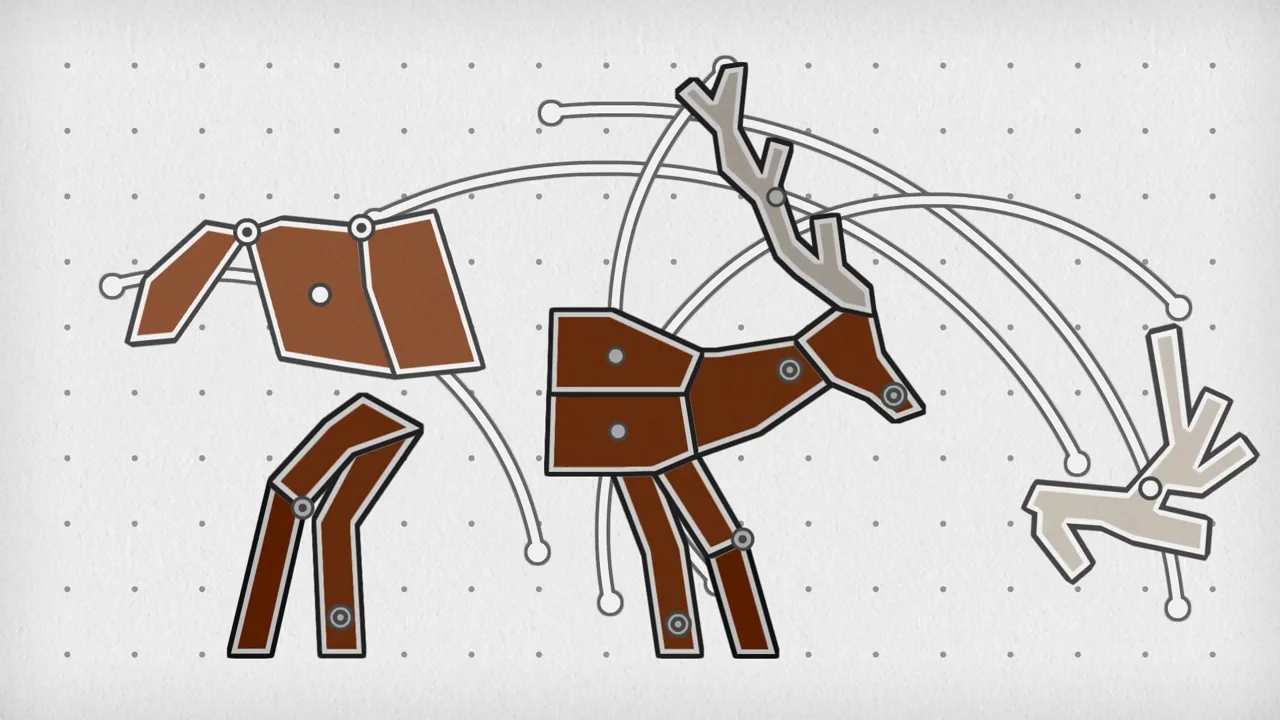
Shape Fold feels simple at first: rotate connected parts until they match a silhouette. But as levels expand, each movement changes the position of multiple pieces, turning every puzzle into a chain-reaction geometry problem.
How Advanced Boards Increase Difficulty
Later stages introduce tighter targets and awkward pivots where one correct move can block another. Success comes from planning order: choose which limb or segment to place first so the remaining pieces still have room to rotate.
Pattern Recognition Over Trial and Error
Instead of spinning randomly, identify anchor pieces that clearly belong at edges or corners. Lock those first, then fold inward. This dramatically reduces clutter and makes complex animal/object silhouettes much easier to complete.
- Set one outer reference point before adjusting the center cluster.
- Use small alternating rotations instead of full swings to avoid overlap traps.
- If a section feels impossible, reset mentally and solve from opposite side.
Cognitive Load Management in Complex Shapes
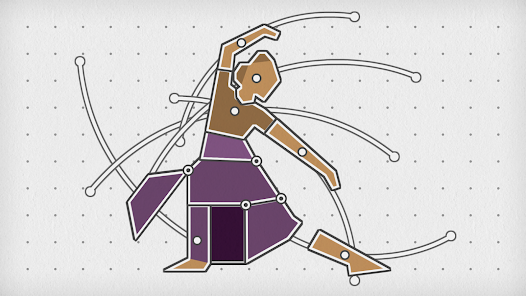
As puzzles scale, Shape Fold tests working memory as much as geometry. Keeping track of potential hinge outcomes prevents dead-end rotations. Experienced players mentally simulate two or three moves ahead, then execute with minimal backtracking.
Practical Heuristics for Faster Solves
Use silhouette landmarks to constrain possibilities: longest edge, narrowest notch, and symmetry axis. These heuristics reduce search space and make difficult boards feel solvable even before all pieces are close to final position.
Hot Games

New Games

