Riddle School 5
Games You May Like
Classroom Mysteries Unfold One Riddle at a Time
Riddle School 5 continues the series tradition: you're a student navigating the final chapter of Riddle School's interconnected puzzles, collecting clues through conversations and environmental investigation.
Dialogue-Based Puzzle Locks
NPCs drop hints peppered throughout their dialogue. Some riddle answers come directly from what teachers and students tell you. Others require lateral thinking—the answer might be a play on words, a date hidden in descriptions, or a number extracted from visual details in the classroom.
Exploration and Multi-Step Sequences
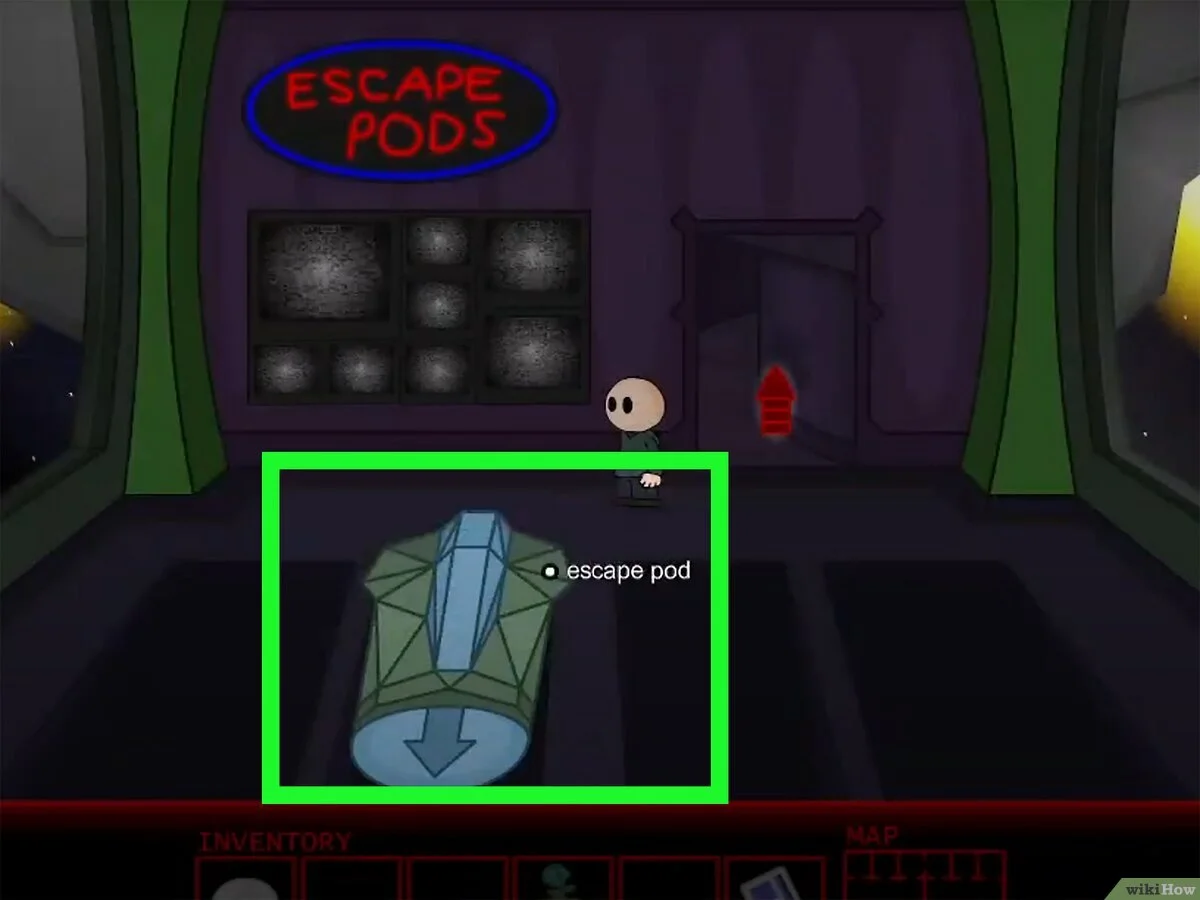
Riddle 5 expands on room-based exploration. You'll revisit areas as new dialogue options unlock, and earlier "dead" ends may lead somewhere once you've talked to the right character. Patience with re-exploration is rewarded.
Solving Under Pressure
As deadlines approach and secrets deepen, timer pressure mounts. Learn to recognize puzzle categories—mechanical sequence locks, fluid routing, timing-based activators—so you can solve them faster when revisiting stages.
- Write down all character statements that sound numerical or date-like.
- Click every object in a room if stuck; some contain hidden clues in popup text.
- Talk to each NPC twice—second dialogue often unlocks new paths or corrects earlier hints.

Narrative Puzzle Design and Hint Architecture
Riddle School 5 stands out because puzzle clues are embedded in tone, jokes, and character behavior rather than obvious markers. Dialogue is not filler; it is part of the solving system. Players who read carefully uncover compressed hint networks that connect multiple rooms and objectives.
Efficient Progression in Multi-Room Chains
Late puzzles are best solved by building a clue map: who mentioned what, where each symbol appears, and which interactions changed after key events. This approach reduces brute-force clicking and turns the game into a coherent deduction challenge instead of trial-and-error wandering.
Hot Games

New Games

