Ping Pong Go
Games You May Like
Rally Intensity Rises Every Second
Ping Pong Go escalates rally speed continuously, testing whether you can maintain paddle positioning and reaction timing as the ball becomes a blur.
Core Mechanics: Position Over Power
Powerful shots matter less than being in the right spot. Most rallies are won by players who anticipate the ball's angle and are already moving toward it before impact.
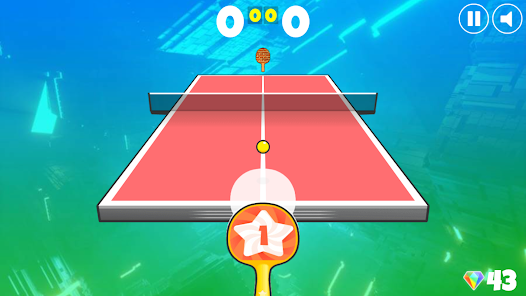
Spin Reading Becomes Critical
As difficulty climbs, the opponent mixes flat hits with heavy spin. Learning spin patterns and adjusting your paddle angle accordingly is the difference between 10-rally and 50-rally sessions.
- Feel the rhythm of each round before attempting aggressive shots.
- Keep your paddle centered and move it in controlled steps, not wide swings.
- When speed becomes extreme, focus on consistency over power—shorter contact is more reliable.
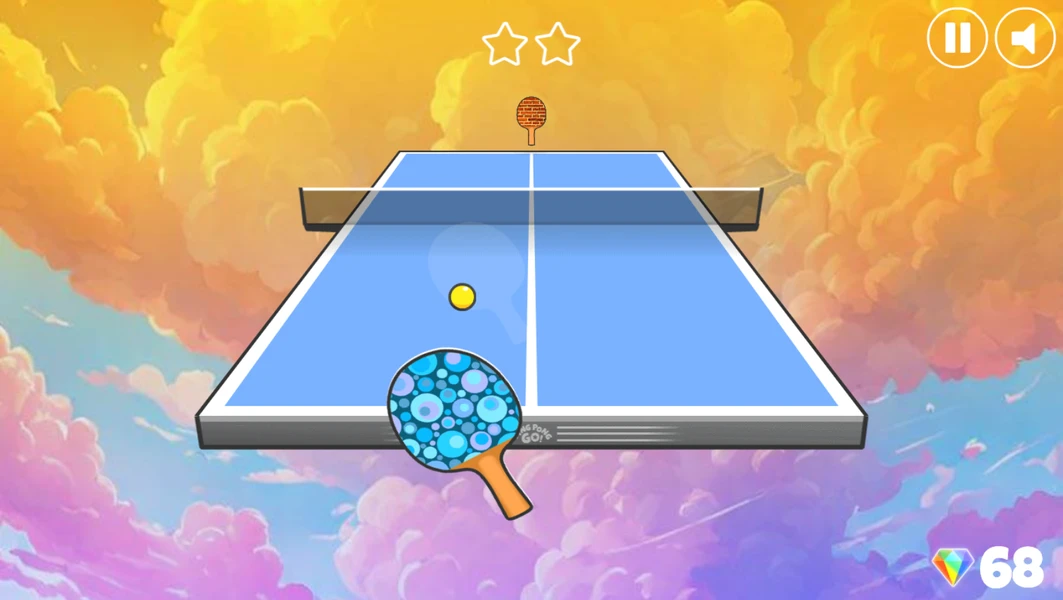
Reading Spin Under Fatigue
Long rallies create cognitive fatigue, and that is where spin deception becomes lethal. Advanced play means tracking contact cues, not just ball speed. Subtle paddle-angle differences often reveal whether the next return will kick wide, dip short, or accelerate off your side of the table.
Mechanical Discipline for High Streaks
High-score sessions rely on compact movement. Keep your paddle path short, recover to neutral after each return, and avoid over-committing to aggressive winners. In Ping Pong Go, rally longevity is usually built through efficiency, not flashy finishers.
Hot Games

New Games

