Only Up
Games You May Like
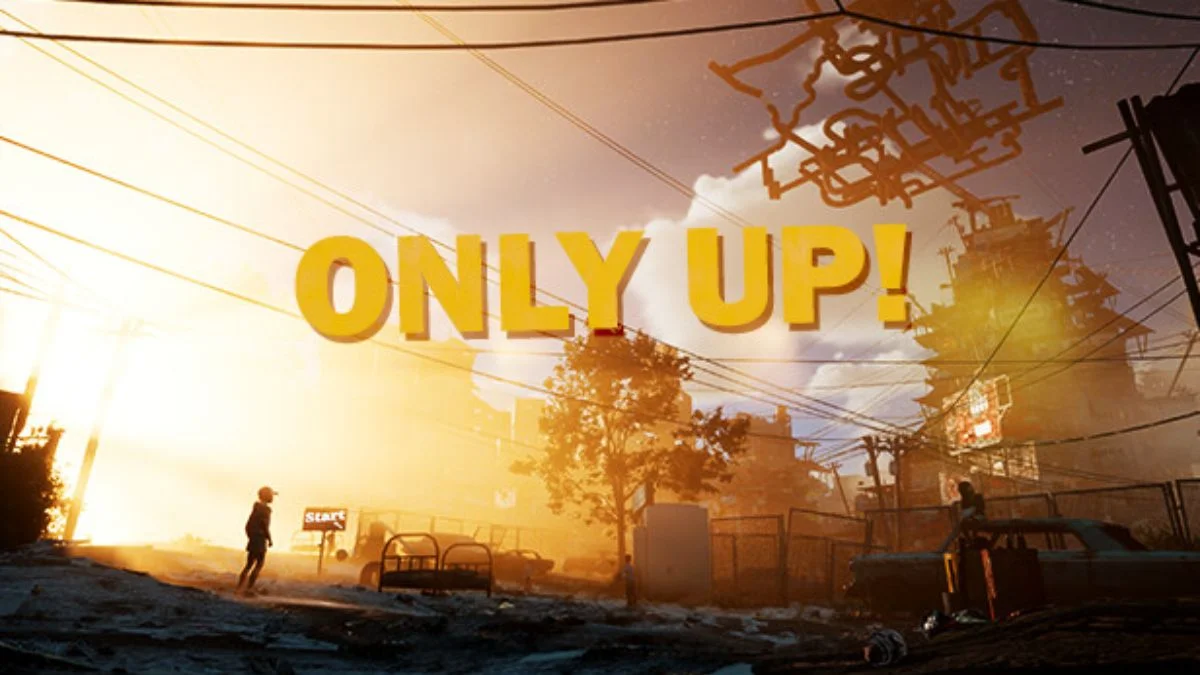
A Climbing Game Built on Nerves
Only Up turns movement into commitment. Every jump upward increases pressure because one missed edge can erase several minutes of progress. It is less about speedrunning and more about consistent execution across long vertical routes.
Route Reading Matters as Much as Platforming
The stage is packed with alternative lines. Safe routes are often slower but forgiving, while risky shortcuts can save huge time if your alignment and camera control are clean. Strong players constantly evaluate whether a shortcut is worth the failure chance in the current run state.
How to Stabilize Long Attempts
Most drops happen after mental fatigue, not mechanical difficulty. Breaking the climb into small checkpoints in your head helps you reset focus every few sections. Keep your camera calm before jumps and avoid over-correcting midair.
Advanced Recovery Thinking
When a jump fails, recover direction first, then elevation. Panic repositioning usually causes a second mistake. Players who climb efficiently treat every near-fall as a navigation puzzle and regain the main route with minimal extra movement.
Practical Climb Tips
- Use short approach steps before narrow jumps to keep takeoff angle consistent.
- Favor repeatable lines early in runs; save high-risk shortcuts for confident attempts.
- Pause briefly after major sections to reset camera and rhythm.
Risk Management at High Altitude
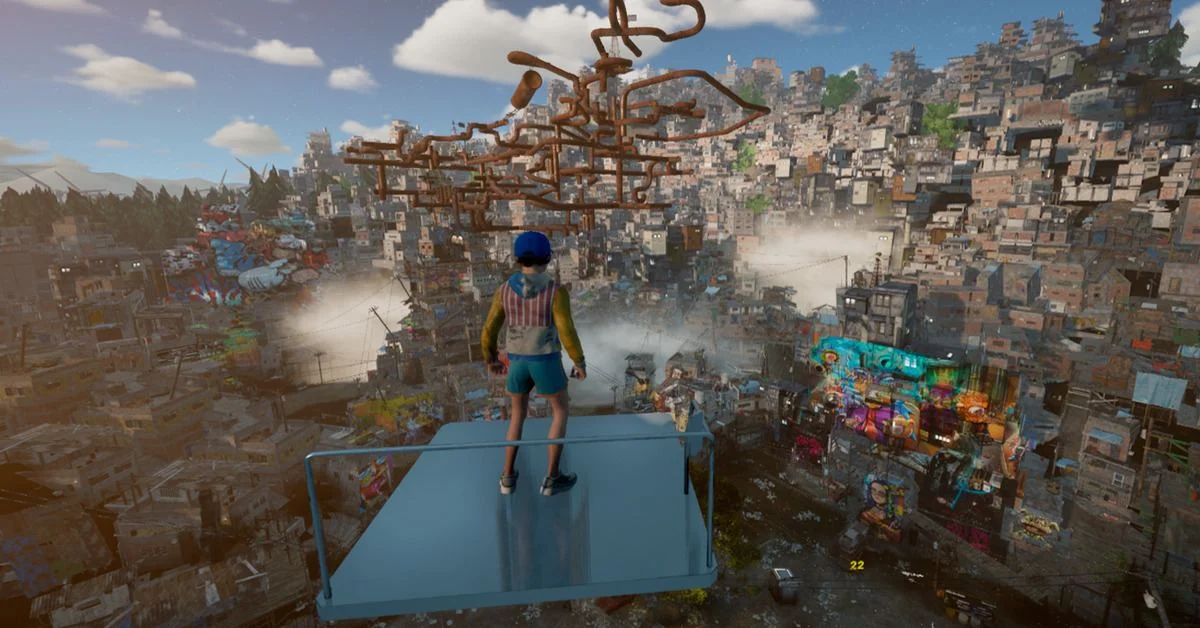
The deeper layer of Only Up strategy is deciding when not to jump. Advanced players constantly compare expected gain versus reset risk. If your current line is stable and your rhythm is clean, conservative routes usually outperform flashy shortcuts over many attempts.
Mistake Recovery Framework
After a slip, identify three things in order: nearest stable platform, safest re-entry line, and camera orientation for the next jump. This structured reset prevents panic movement and significantly reduces chain-fall errors during long sessions.
Hot Games

New Games

