Fruit Merge
Games You May Like
A Merge Puzzle With Real Momentum
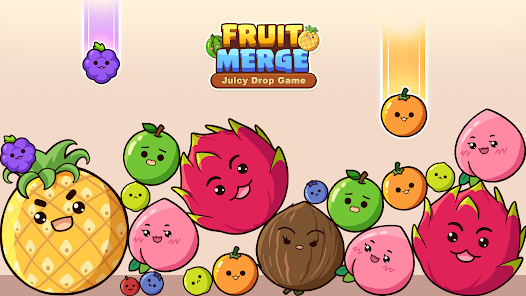
Fruit Merge looks simple at first glance: drop fruit, match fruit, repeat. But once the tray starts filling and bounce physics come into play, each drop becomes a positioning decision. The game is part puzzle, part foresight exercise, and the best runs feel like controlled chaos where one smart placement triggers a whole chain of upgrades.
How the Merge System Actually Works
Two identical fruits touching each other fuse into the next size tier. Because newly formed fruit shifts and rolls, every merge changes the geometry of the board. You are not only deciding where one fruit lands now, but also how that collision will influence the stack three or four moves later.
Why Space Management Matters More Than Speed
Players lose when the stack crosses the top boundary, so preserving open lanes is critical. Keeping smaller fruits grouped near one side and larger fruits stable at the base creates safer merge paths. Random drops can still score points, but organized stacking is what enables high-value runs.
High-Risk Board States You Should Avoid
The most dangerous setup is a tall central tower made of mixed fruit sizes. It blocks natural roll routes and forces future merges to rely on luck. A stronger approach is to maintain one sloped side so new pieces can slide into matching clusters instead of stacking vertically into a dead zone.
Consistency Tips
- 🍉 Build from the bottom first so heavy fruit has stable support.
- 🍊 Avoid splitting identical fruit across opposite sides of the container.
- 🍎 Use side walls intentionally to slow rolling fruit into merge positions.
Hot Games

New Games

