Fears to Fathom: Home Alone
Games You May Like
📞 One Night, One House, Too Many Red Flags
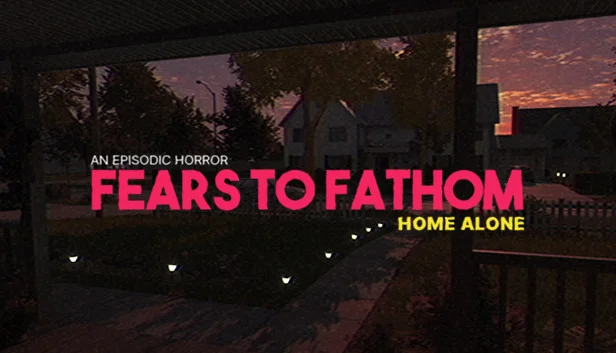
Fears to Fathom: Home Alone drops you into a very normal evening that slowly turns wrong. You play as Miles, a teen staying home by himself, dealing with texts from family, basic chores, and that uneasy feeling that someone might be watching. This episode works because it feels believable: no fantasy powers, no giant monsters, just escalating danger inside a place that should be safe.
🕰️ Night Timeline (How Tension Builds)
Instead of throwing instant chaos at you, Home Alone raises pressure step by step. The pacing is its secret weapon.
- Early evening: routine tasks and calm atmosphere.
- Mid phase: odd signals appear and normal behavior starts to feel risky.
- Late phase: your choices become urgent as threat turns concrete.
🚨 Signals You Should Never Ignore
- 📱 Message context: text timing and wording often foreshadow danger.
- 🚪 Door and window cues: small changes in the house are major warning signs.
- 🔊 Sound anomalies: footsteps, knocks, or silence where there should be noise.
- 👀 Peripheral details: movement at the edge of your view can matter more than center-screen events.
🎮 Why It Plays Differently From Typical Horror
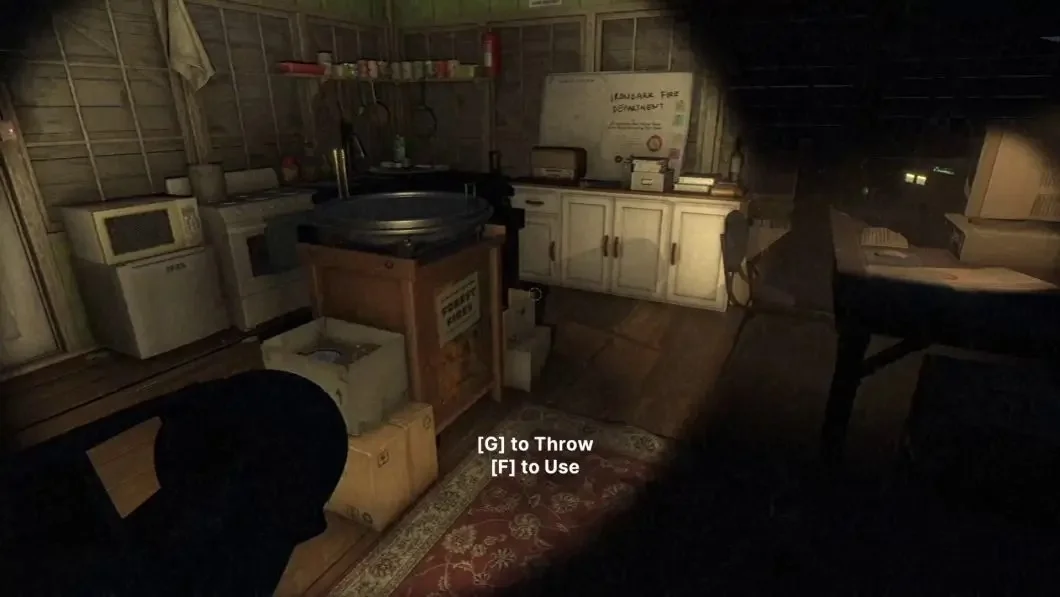
Home Alone is less about combat and more about judgment. You constantly decide whether to investigate, wait, or relocate. That decision pressure creates a different kind of fear: you are scared not only of what might happen, but of making the wrong call at the wrong time.
🧭 Best Playstyle for First-Timers
If you want the full impact, play slowly and treat the house like a real space, not a speedrun map.
- 🎧 Use headphones to catch directional audio clues.
- 🧠 Pause before acting when something feels off.
- 📝 Notice repeating patterns in messages and events.
- 🔁 Replay once to see how early foreshadowing was planted.
🌙 Final Impression
Fears to Fathom: Home Alone is short but extremely effective. It proves that realistic settings, good pacing, and smart audio design can be more frightening than spectacle-heavy horror.
Hot Games

New Games

