Drive Mad
Games You May Like
Physics, Chaos, and the Need to Reach the Flag in Drive Mad
Drive Mad is a physics-based obstacle course driving game that revels in making you fail spectacularly before triumphantly crossing the finish line. Each level is a hand-crafted gauntlet of ramps, seesaws, gaps, rolling logs, spinning traps, and gravity-defying bridges that your vehicle somehow needs to navigate from one side to the other — ideally without flipping completely over and ending the attempt.
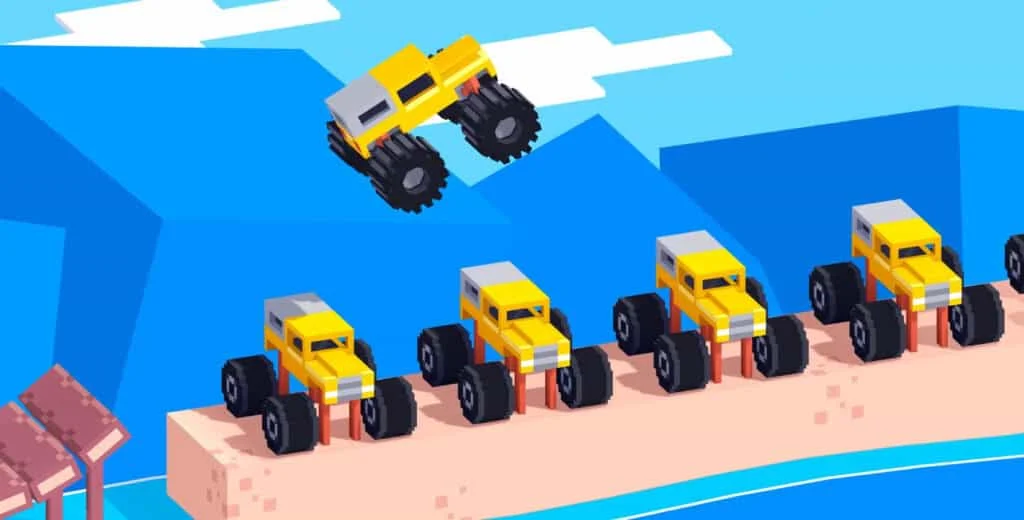
The game features a growing vehicle roster that goes well beyond the standard car. Trucks, motorcycles, tractors, and more exotic options each bring different weight distributions and handling characteristics to the same obstacle sets. A motorcycle that rockets over a ramp effortlessly might struggle on a seesaw, while a heavy truck that plods through a wobbling platform might fly off a steep launch ramp. Vehicle choice fundamentally changes how each level plays out.
How the Core Physics Loop Works
Drive Mad uses realistic-feeling physics where your vehicle's center of gravity matters more than speed in most situations. Every obstacle is designed to challenge your balance as much as your timing:
- 🏗️ Seesaws and balance platforms: Drive onto them too fast and your momentum flips them violently. The correct technique is usually a slow approach followed by a controlled acceleration once your vehicle's weight stabilizes the platform.
- 🪵 Rolling log obstacles: These require either enough speed to clear them or a patient crawl to roll over without tipping. Most beginners go too fast and cartwheel forward.
- 🏔️ Steep ramps and gaps: These are speed-dependent. Too slow and you stall halfway up or land short. Too fast and the landing tips you forward into a face-plant. The sweet spot is narrow.
- 🌀 Spinning obstacles: Timing these requires watching the rotation cycle and committing to a window — hesitating mid-approach is usually worse than going through.
Level Progression and What to Expect
Drive Mad starts accessible and escalates deliberately. Early levels teach individual mechanics in isolation — a ramp here, a seesaw there. Mid-game levels begin stringing these obstacles together so you have to chain techniques without resetting your momentum between each one. Late levels pile on compound challenges where a mistake on one obstacle sends you back to manage the ripple effects through the next two or three.
Choosing the Right Vehicle Changes Everything
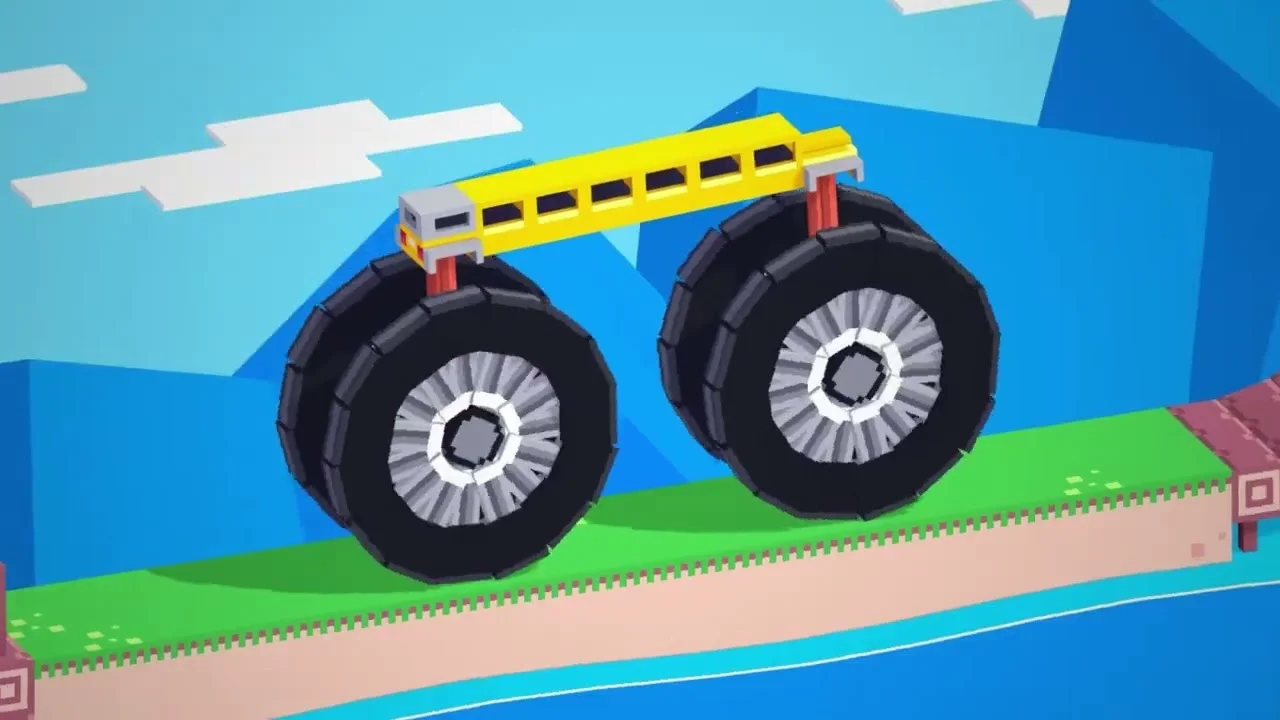
Unlocking and experimenting with different vehicles is half the fun of Drive Mad. Each vehicle has a distinct feel that interacts with the physics differently. Heavy vehicles like trucks create more momentum but are harder to control on unstable platforms. Lighter vehicles respond quicker but can be thrown off course by small obstacles. When a particular level is giving you serious trouble with one vehicle, switching to a different option is often the fastest solution — the same obstacle set can feel entirely manageable with a better-matched vehicle.
Tips for Getting Through the Toughest Levels
- 🐢 Slow down before unstable platforms: Your default instinct will be to maintain momentum. Override it. Approach seesaws and wobbly bridges at the slowest speed that still keeps you moving forward.
- 🔄 Use reverse strategically: If you are tipping forward after landing, a quick tap of reverse can prevent a full flip and save the run. Many players neglect backward input entirely.
- 🚗 Match your vehicle to the level type: Ramp-heavy levels favor lighter vehicles. Balance-heavy levels favor heavier ones. Do not brute-force a bad vehicle matchup — switch before burning too many retries.
- 👁️ Watch the whole obstacle before moving: For spinning traps and timed hazards, observe one full rotation cycle before attempting. You will see the opening window clearly before committing.
- 💡 Break it into segments: On long levels, mentally divide the course into thirds. If you can consistently get through segments one and two, focus all attention on reading segment three properly rather than rushing through the known parts.
Hot Games

New Games

