Backrooms
Games You May Like
🏚️ What Liminal Spaces Reveal About Horror
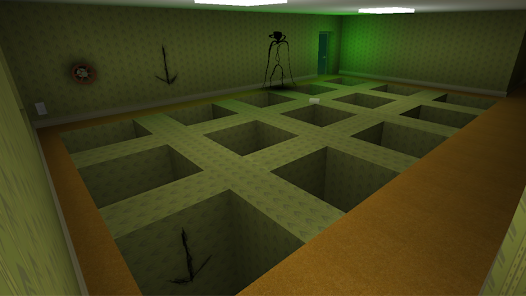
Backrooms weaponizes one of internet culture's most unsettling concepts: the liminal space—a place between places where nothing seems designed for human presence. Unlike jump-scare horror or monster-focused games, Backrooms builds its dread from the environment itself. Yellow endless corridors, repetitive architecture, and the mathematical wrongness of space combine to create a horror experience that feels less fantastical and more disturbingly plausible. Players don't fight creatures or solve puzzles; they navigate an uncaring, non-hostile landscape that somehow feels more terrifying than any enemy AI.
😰 The Four Dimensions of Backrooms Fear
Backrooms succeeds because it attacks anxiety from multiple angles simultaneously. Disorientation: Your compass fails, distances stretch unnaturally, and familiar corridors feel identical. Isolation: The absence of other people transforms exploration into psychological endurance. Invisible Threats: Sounds hint at danger without providing visual confirmation, forcing players to decide: advance or retreat? Meaninglessness: Unlike linear games with clear objectives, Backrooms offers no narrative reward or traditional victory—just survival. This combination creates a psychological weight that lingers after the browser closes.
🎯 Movement, Sound, and Survival Pressure
Backrooms flips traditional survival game design by making your own decisions the primary source of tension. Each sprint risks disorientation; each pause invites lurking threats to approach. Footstep sounds echo unpredictably, creating ambiguity about distance and direction. Players develop instincts: when to conserve stamina versus when to risk noise by running; how to track corridors without visible landmarks; whether door choices lead toward exits or into dead ends. The game never tells you the answer—it only punishes bad guesses through setback, not instant failure.
🧠 Pattern Recognition: Your Only Map
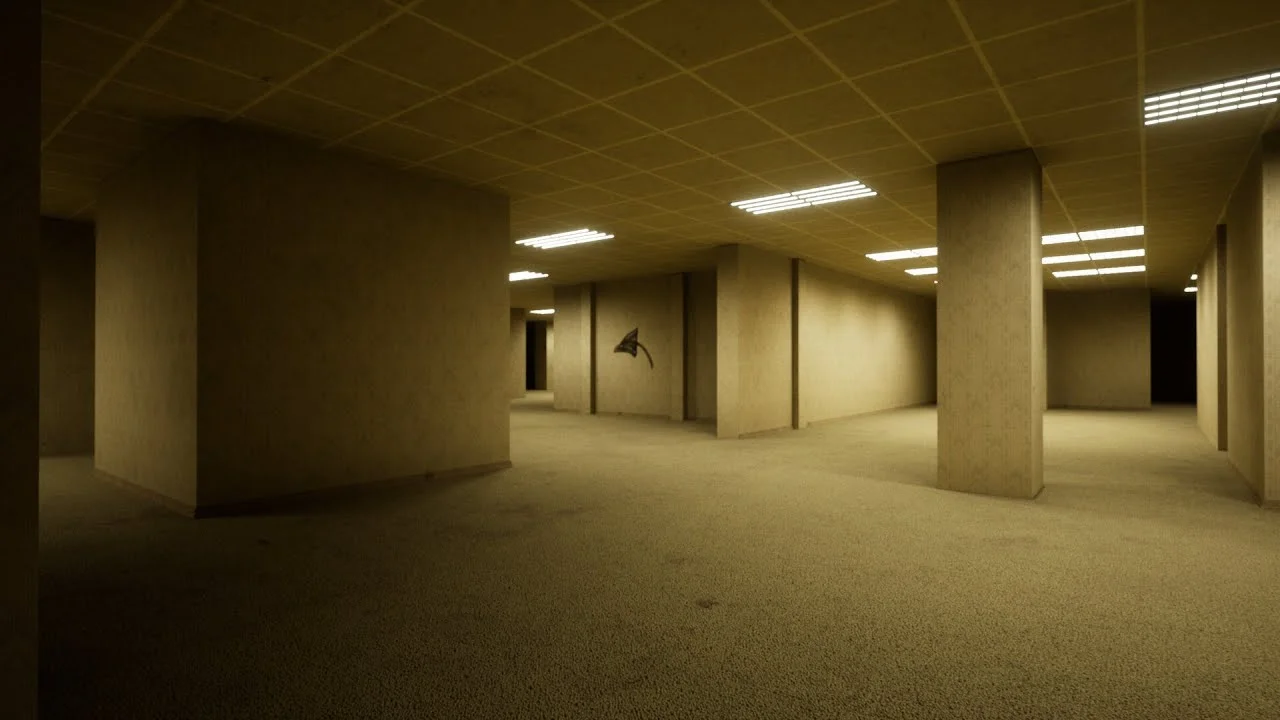
Experienced Backrooms players think like cartographers learning an alien language. Carpet stains repeat in cycles. Wall patterns indicate direction without signage. Acoustic properties of corridors suggest room size and danger proximity. This pattern-matching layer separates runs that collapse from runs that lead toward exits. Mental mapping under stress—tracking which intersections you've seen, which audio cues preceded safe passages—becomes the core skill. Backrooms rewards players who approach horror analytically, turning scientific observation into a survival tool.
🌐 Why Backrooms Horror Resonates Across Communities
Backrooms endures because its liminal horror taps into universal discomfort: being lost, being watched invisibly, facing endless sameness. The minimalist design lets each player's imagination fill the gaps—your personal sense of claustrophobia or existential dread shapes how terrifying the experience becomes. Browser-based accessibility combined with short runs (5-30 minutes each) makes Backrooms approachable for horror newcomers while remaining challenging for veterans. The community constantly shares discoveries, strategies, and theories, transforming individual survival attempts into collective exploration. If psychological horror and navigation-based tension appeal to you more than gore or combat systems, Backrooms ranks among the internet's most atmospheric free horror experiences.
Hot Games

New Games

