Among Us
Games You May Like
Among Us Is a Social Strategy Game Disguised as a Task Game
Among Us places players on a spaceship where information is fragmented and trust is constantly tested. Crewmates must complete task routes while watching for suspicious movement, and Impostors must blend into that flow while creating just enough confusion to avoid being voted out. The round is not won by movement skill alone, but by how effectively players build and challenge narratives.
What makes the game so compelling is that each meeting is an information market. Everyone brings partial evidence: sightings, task timing, vent assumptions, sabotage reactions, and vote history. Good teams assemble that into a coherent picture. Great Impostors break that picture apart without sounding obviously false.

How Crewmate and Impostor Win Conditions Shape Play
- 🎯 Crewmates win by finishing all tasks or ejecting every Impostor.
- Impostors win by reaching kill parity or forcing unresolved critical sabotage.
- Emergency meetings are limited resources; calling one at the wrong time can lose tempo.
- 🚀 Map control matters: lights out, doors, vents, and chokepoints influence every decision.
Crewmate Fundamentals: Gathering Reliable Information
Strong Crewmate play is structured. Instead of wandering randomly, complete tasks in linked zones so your route is easy to explain later. If you witness two players crossing a hallway, remember the order and direction. If a body appears shortly after, that timeline becomes critical evidence. The goal is not just survival, but creating verifiable data for meetings.
Meeting Discipline
During discussion, short factual statements beat emotional claims. Report location, estimated time window, last known nearby players, then stop. Over-talking often creates contradictions that Impostors can exploit. Voting should reflect confidence level; a strategic skip can be stronger than a weak ejection.
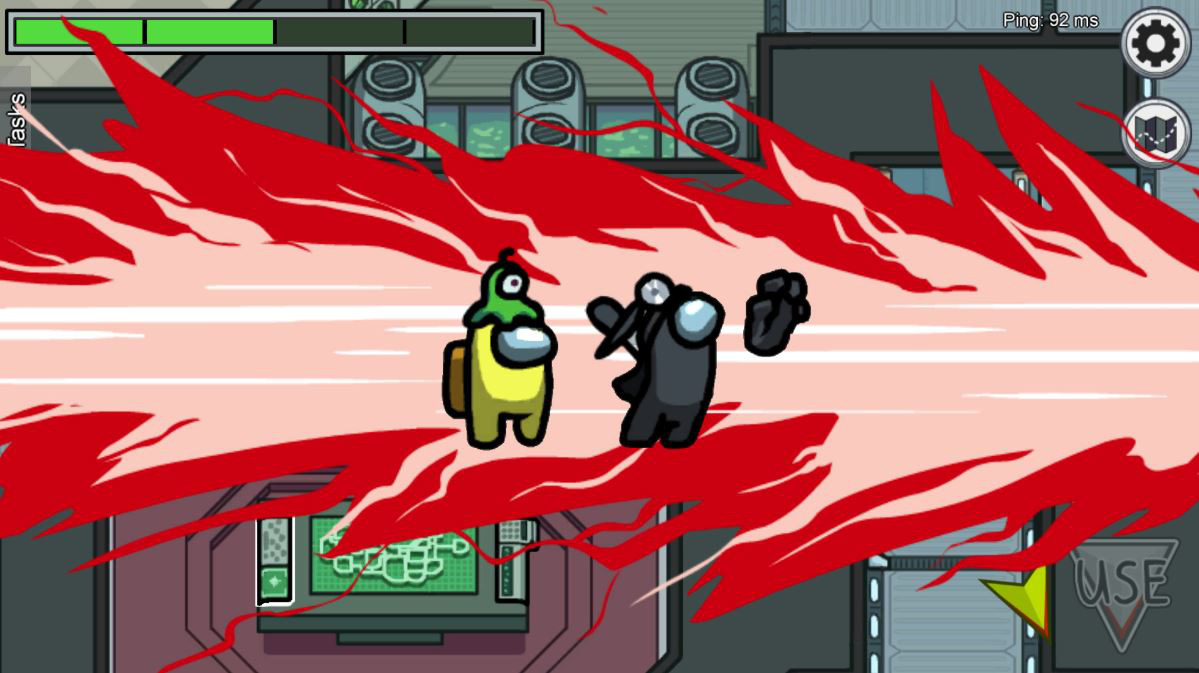
Impostor Fundamentals: Control Pace, Not Just Kills
Effective Impostor play is about tempo management. Random kills create random evidence, which is dangerous. Better Impostors plan around sabotage windows, isolate targets near poor-visibility zones, and prebuild alibis through believable pathing. Door locks and lights are not only for escapes; they are tools to split groups and delay clean verification.
Advanced Habits for Higher Win Rates
- 🔥 As Crewmate, pair briefly during dangerous task clusters, then separate with clear route calls.
- Build timeline anchors: who was where before and after each sabotage.
- As Impostor, avoid over-defending; concise confidence reads as more credible.
- 💡 Track vote patterns across rounds, not just one meeting's accusations.
- Teams that value consistency over dramatic guesses win more long sessions.
Common Errors That Throw Rounds
- 🧩 Hard accusing without timeline support.
- Ignoring who benefits from current sabotage state.
- Ejecting on panic in early rounds with low evidence.
- 🧠 Treat each meeting as cumulative investigation, not a single all-in gamble.
Advanced Strategy Layers
When basics feel stable in Among Us, improvement comes more from decision quality than raw speed. Instead of trying to force perfect runs, focus on reading repeated situations better each attempt and making one cleaner choice at a time.
A practical way to level up is to review the moment just before each mistake, identify what signal you missed, and apply a small correction in the next run. This keeps progress steady and makes your playstyle look more controlled over long sessions.
Progression Checklist
- 💡 Define a repeatable baseline route or approach.
- Improve execution consistency before pushing risky optimization.
- Track conversion rate in high-pressure moments.
- 🎯 Refine one mechanic at a time until it is automatic.
- Return to advanced routes only after baseline stability is strong.
Common Mistakes and Quick Fixes
Most failed attempts come from over-committing after a good moment, rushing transitions, or trying to recover too aggressively. A quick fix is to reset your pace for a few seconds, re-establish clean positioning, and only take higher-risk plays when the setup is clearly in your favor.
Hot Games

New Games

